

Workplace health programs deliver measurable gains in productivity and reduced absenteeism and can reduce healthcare utilisation—including primary care visits and emergency attendances—when they are targeted, evidence‑based, and integrated into operations. High-performing programs combine leadership commitment, data-driven targeting, simple access, and continuous measurement. The most effective interventions address both physical and mental health, remove friction for employees, and align incentives with business outcomes.
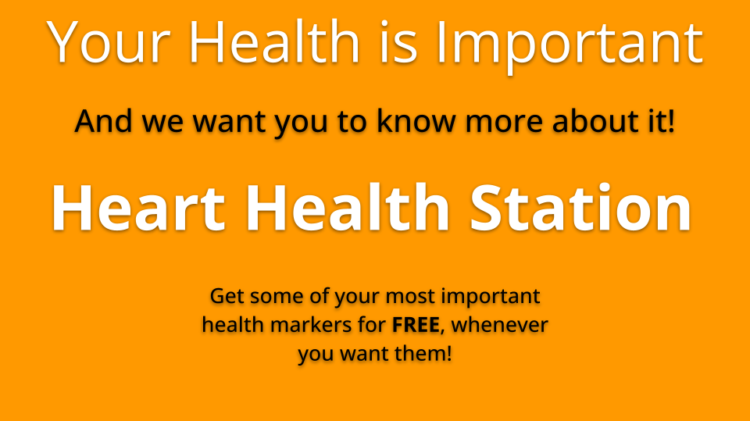
Building on these principles, our Heart Health Station offers a practical, high‑impact pathway to preventive care at scale. Regular, workplace‑enabled measurements transform screening into a continuous, longitudinal insight—enabling earlier detection of hypertension, arrhythmias, and cardiometabolic risk, and creating clear opportunities for timely, personalised interventions.
How Heart Health Stations enable broader preventive programs
Heart Health Stations act as a low‑friction data and engagement hub that complements—not replaces—existing workplace health initiatives. Regular, routine tasks (measure BP, ECG, body composition) create repeatable touchpoints that produce longitudinal signals, build employee habits, and generate interoperable data streams. Those streams can potentially be reused to power many other preventive programs across the organisation.
Why heart health is the right operational focus
- High clinical and economic leverage: Hypertension, arrhythmias, and cardiometabolic conditions are common, modifiable drivers of long‑term morbidity; workplace detection and early management reduce downstream clinical events and absenteeism.
- Measurable, actionable signals: Blood pressure, ECG, and body composition produce validated, interpretable metrics that map directly to clinical pathways
- Fits proven intervention design: Heart Health Stations deliver the McKinsey‑recommended combination of leadership support, targeted outreach, easy access, and continuous measurement—maximising the chance of measurable performance gains.
- This approach targets high‑impact, modifiable cardiovascular and cardiometabolic risks, reduces friction for employees, and produces auditable outcome data that supports clinical escalation, business‑aligned incentives, and rigorous ROI evaluation. The design directly reflects evidence‑based practices identified in recent industry analyses of proven workplace interventions.
Bottom line
Heart Health Stations are a practical, high‑value, low-cost, entry point that strengthens and amplifies existing workplace preventive programs. By providing routine, validated measurements and interoperable data, Stations make other interventions more targeted, measurable, and effective—while preserving employee choice and existing program investments.
Next Steps: Let’s Transform Your Workplace Wellness
Consultation and Demo
- Personalised Consultation: Understand how the Heart Health Station aligns with your workplace goals
- Live Demo: Experience the station’s features firsthand
Pricing and Package Options
- Flexible Pricing Plans: Tailored to your budget and workplace requirements
- Transparent Cost Breakdown: No hidden fees or surprises
Implementation Timeline
- Efficient Rollout: Timeline for installation and employee onboarding.
- Ongoing Support: Dedicated support for continued success.
Otherplaces
Federal, State, and Local Government

Enhanced Well-Being: Access to advanced health tools at all government levels promotes physical and mental well-being, helping employees monitor and understand health, manage stress, and prevent health issues proactively
Increased Productivity: Healthy employees are more productive. Exceptional health tools help prevent absenteeism due to illness and improve overall work performance across all government bodies.
Cost Savings: Early detection and prevention reduce healthcare costs. Effective health management tools benefit both employees and the organisation, leading to significant cost savings.
Employee Satisfaction: Providing health tools demonstrates care for employees’ welfare, fostering loyalty, job satisfaction, and a positive workplace culture across all levels of government.
Operational Efficiency: Healthier employees contribute to smoother operations and service delivery, ensuring that federal, state, and local government functions run efficiently and effectively.
Community Impact: Local governments, in particular, can enhance community well-being by ensuring their workforce is healthy and resilient, directly benefiting public services such as safety and health delivery.
Nurturing Wellness: Exceptional Health Tools at the Heart of Learning

Enhanced Well-Being: Access to top-notch health tools promotes physical and mental well-being among students, faculty, and staff. Universities and colleges can provide resources for monitoring health, managing stress, and preventing health issues proactively.
Increased Productivity: Healthy students and staff are more productive. Exceptional health tools help prevent absenteeism due to illness and improve overall academic and work performance within the institution.
Cost Savings: Early detection and prevention reduce healthcare costs. When students and staff have tools to manage their health effectively, it benefits both them and the institution by lowering healthcare expenses.
Student and Staff Satisfaction: Providing health tools demonstrates care for the welfare of students and staff. This fosters loyalty, satisfaction, and a positive campus culture, enhancing the overall experience within a university or college environment.
Operational Efficiency: Healthier students and staff contribute to smoother operations and academic delivery. Ensuring the well-being of the campus community helps maintain high standards of education and service and has a significant impact on lifelong health habits.
Community Impact: Universities and colleges can enhance community well-being by promoting health and resilience among their members and partners. This not only benefits the campus but also positively impacts the surrounding community through outreach and engagement programs.
Significant Benefits Across Our Communities
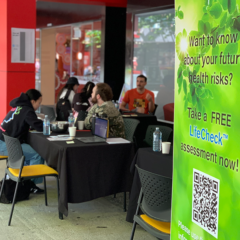
Enhanced Well-Being: Access to key health tools promotes physical and mental well-being within communities. These tools help residents monitor their health, manage stress, and prevent health issues proactively, leading to a healthier population.
Increased Productivity: Healthy communities are happier, more productive, and more satisfied. Exceptional health tools help reduce absenteeism due to illness and improve overall productivity, benefiting local economies and community development.
Cost Savings: Early detection and prevention reduce healthcare costs for individuals and the community. Effective health management tools can lower the financial burden on local healthcare systems and improve overall community health.
Community Satisfaction: Providing health tools demonstrates care for the welfare of community members. This fosters a sense of loyalty, satisfaction, and a positive community culture, enhancing the quality of life for all residents.
Operational Efficiency: Healthier community members contribute to smoother operations of local services and businesses. Ensuring the well-being of the community helps maintain high standards of public services and economic activities.
Social Cohesion: Health tools can enhance social cohesion by promoting shared responsibility for health and well-being. This can lead to stronger community bonds and more supportive and resilient community environments.